Political showdown at Nor-Fishing: “We expect the government to follow through”
19. August 2026 · Ukategorisert
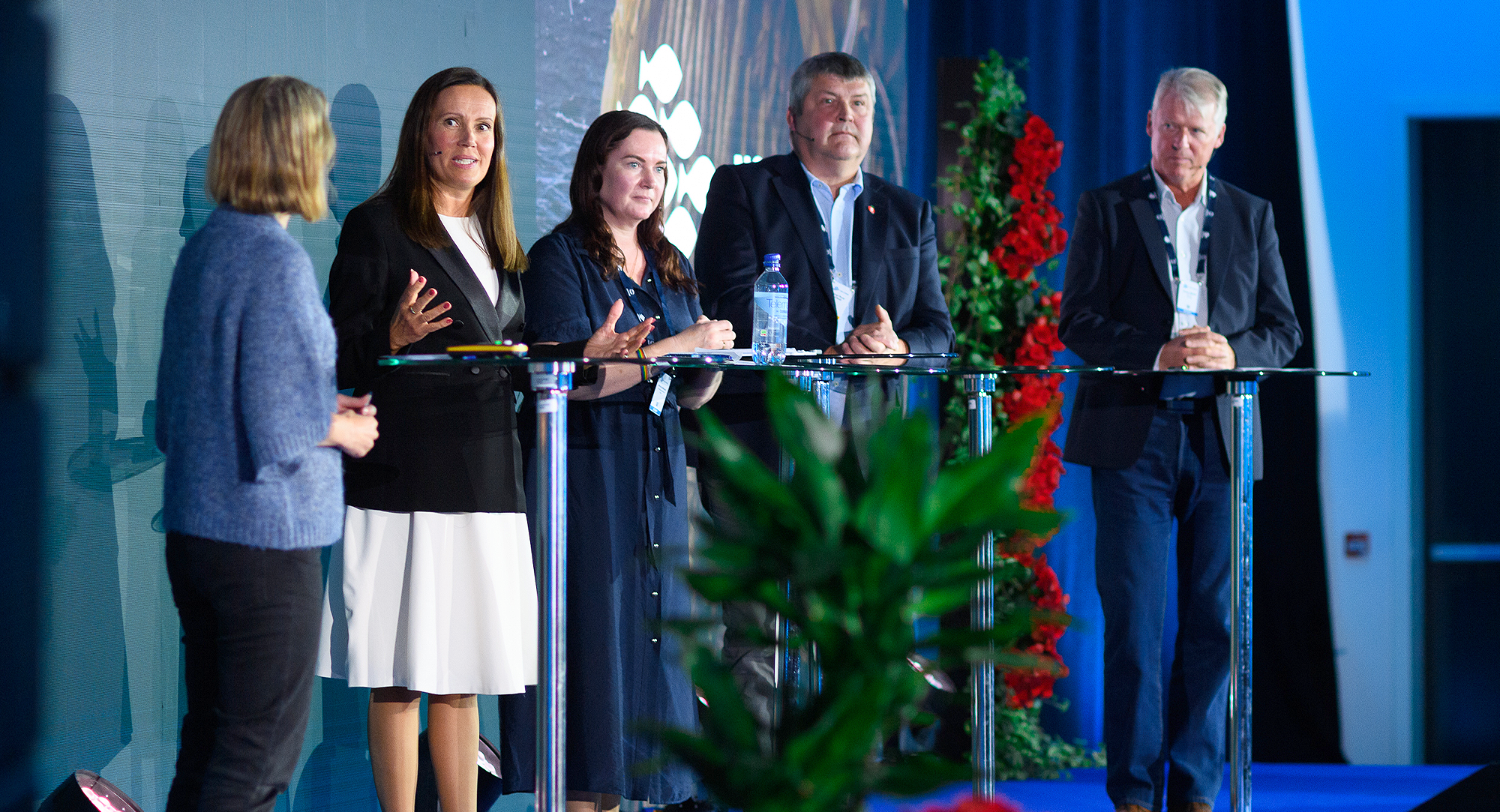
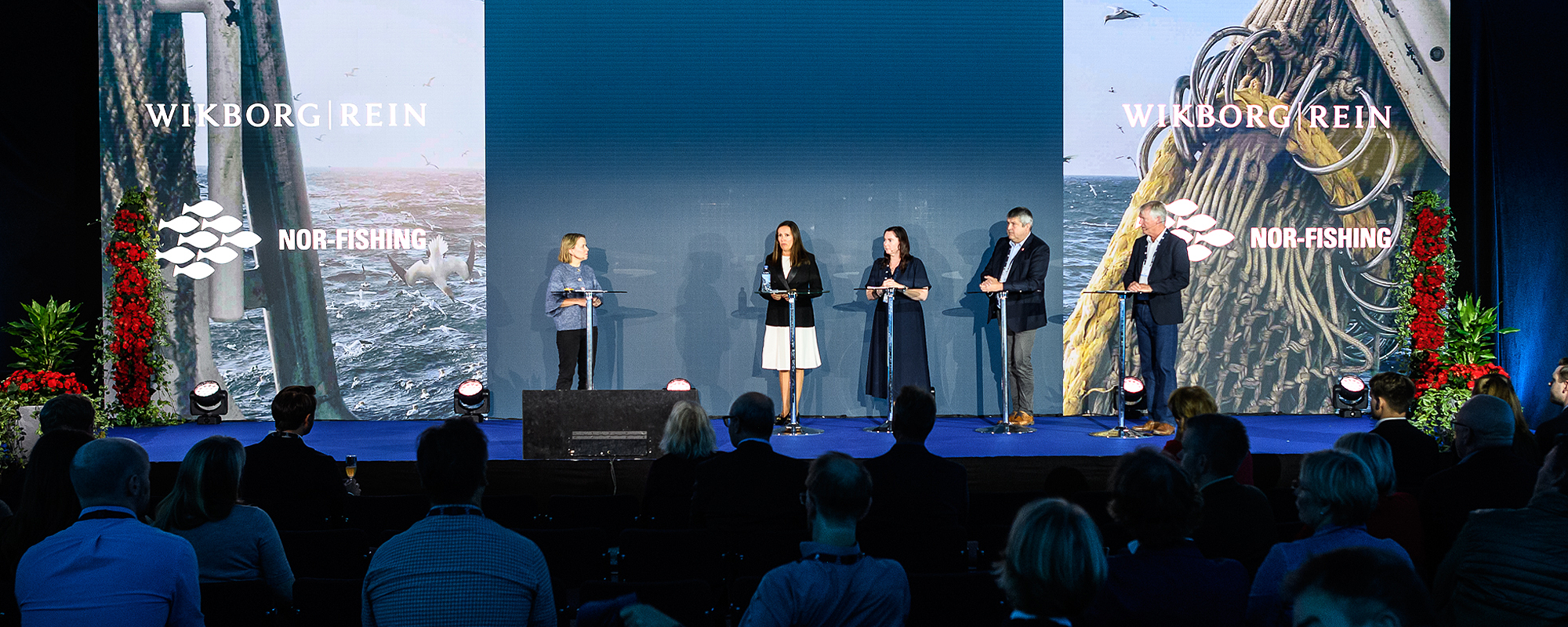
When law firm Wikborg Rein invited politicians and industry representatives to debate quotas, the regulatory framework and the fishing industry’s role in Norway’s emergency preparedness, it prompted a lively exchange on stage. Minister of Fisheries and Ocean Policy Marianne Sivertsen Næss explained the government’s position, while representatives from the Conservative Party, the Progress Party and the industry organisation Fiskebåt presented their views.
Ahead of the debate, Wikborg Rein set the scene with a seminar. Experts, including Gunn Alice Birkemo from the Norwegian Defence Research Establishment, gave the audience an overview of the current situation regarding taxation, regulatory developments, shipbuilding and food security.
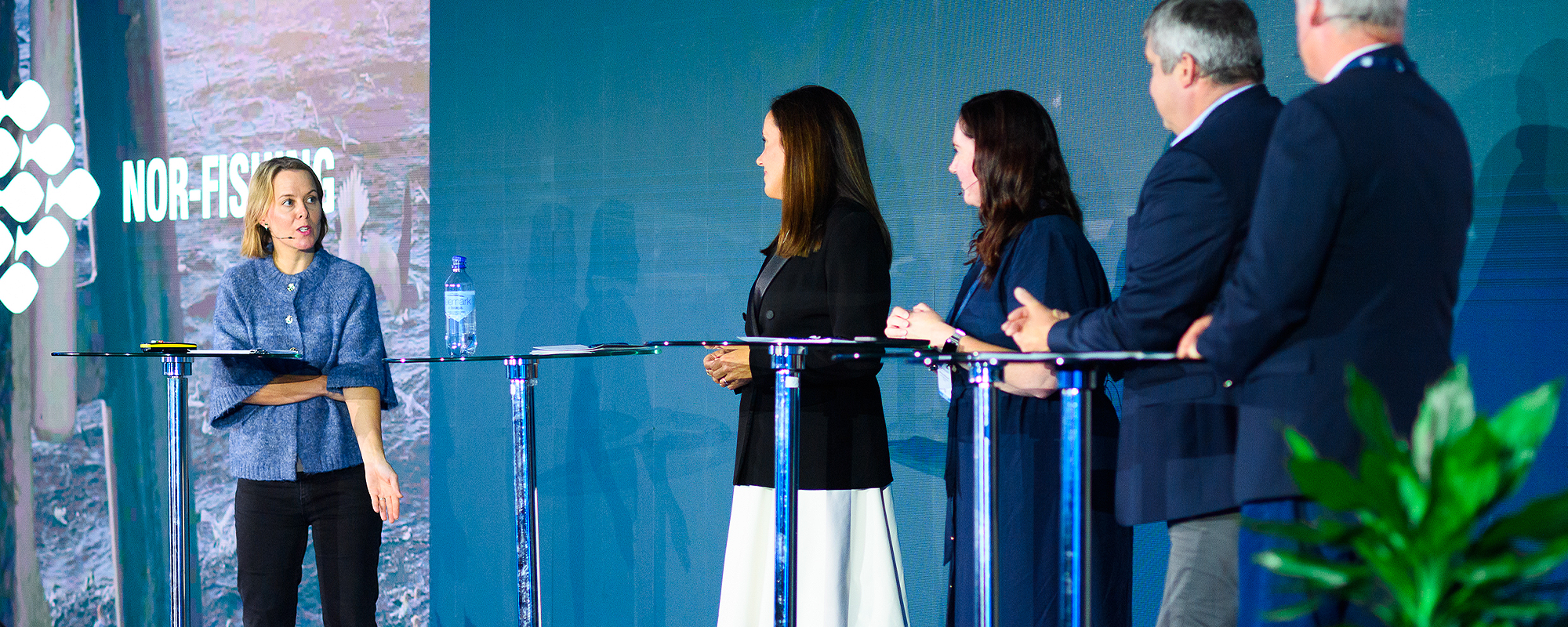
After a short break, moderator Siv Sandvik took to the stage alongside Minister Sivertsen Næss, Monica Molvær of the Conservative Party, Bengt Rune Strifeldt of the Progress Party and Audun Maråk of Fiskebåt, the organisation representing Norway’s ocean-going fishing fleet.
Watch the full debate (the debate is in Norwegian)
A total preparedness report without fish
Moderator Sandvik had searched for the Norwegian word for “fish” in the government’s report on total preparedness, only to find it embedded in the word geografisk – “geographical”. Nevertheless, the politicians agreed that the fishing industry has an important role to play in Norway’s total preparedness.
Audun Maråk of Fiskebåt felt that the report left much to be desired.
“We are not impressed by the report on total preparedness, and we need clarification: What do the government and the Storting expect from the fishing fleet and the seafood industry? What role can we play? We have a presence at sea and can assist with transport, storage capacity, towing power and freshwater production. Larger fishing vessels can even serve as small power plants – but this is not our job. The Minister of Fisheries and Ocean Policy should invite us to a meeting with the Minister of Defence.”
Bengt Rune Strifeldt of the Progress Party agreed:
“The seafood industry must be recognised and promoted as an emergency preparedness resource. We must also remember that its vessels serve as our eyes and ears along the coast.”

CO₂ tax sparks broad engagement
Together with Molvær of the Conservative Party, Strifeldt also criticised the current CO₂ tax, arguing that it is undermining Norway’s bunkering capacity.
“When vessels travel to other countries to bunker fuel, it is not only harmful to the global climate – it also means that the crews and vessels will not be here in Norway if an emergency occurs,” said Molvær. She also stressed that maintaining as much Norwegian ownership as possible in the fishing industry is important to national preparedness.
Maråk was equally critical of the CO₂ tax.
“The tax is not serving its intended purpose and could have significant consequences for emergency preparedness. A tax imposed specifically on Norway’s fishing fleet is causing bunkering facilities in Northern Norway to close.”
Sivertsen Næss acknowledged the concerns.
“This tax – which, incidentally, was introduced by the Conservative Party and the Progress Party – has been challenging for the fishing industry. Unequal competitive conditions make the transition particularly difficult when the alternatives are not yet in place. We are therefore committed to strengthening the compensation scheme, and NOK 640 million has now been allocated to reduce the tax’s impact on the fishing fleet.”
Quota chaos?
The debate then turned to the quota system. Structural quotas – additional fishing quotas that may be allocated to a vessel when another vessel is permanently withdrawn from fishing – remain a contentious political issue.
Quota prices have risen alongside the industry’s debt levels. Maråk called for clarification.
“We have been waiting for clarification for ten years, taking into account all the reviews that have been conducted. The scheme has transformed the fishing fleet from an unprofitable, subsidised fleet into a profitable and efficient one. There would have been no point in consolidating and restructuring the fleet without the ability to retain quotas. We relinquished shares of the cod, herring and mackerel quotas, among others, to secure a long-term allocation – an allocation that has now largely been reaffirmed by the Storting. The fishers paid for the structural quota scheme, and they must also be allowed to retain the benefits in both the coastal and ocean-going fishing fleets.”
“The regulations have now been amended several times, and many operators could find themselves in a difficult position because of the quota ceilings. The changes mean that some vessels may temporarily exceed these ceilings, and we must accept that. Otherwise, the authorities are effectively changing the assumptions on which the coastal and ocean-going fleets based their investments.”
“We expect the government to follow through on the broad compromise reached with the Storting in connection with the quota report.”
A brief tax debate
The tax debate towards the end was brief. Moderator Sandvik only had time to ask the participants whether they believed a cross-party tax agreement could be reached in the autumn. Sivertsen Næss said yes, as did Strifeldt of the Progress Party – provided that the wealth tax is abolished entirely.
We will have to wait and see whether the politicians can find more common ground in the negotiating room than they did on stage at Nor-Fishing 2026.